
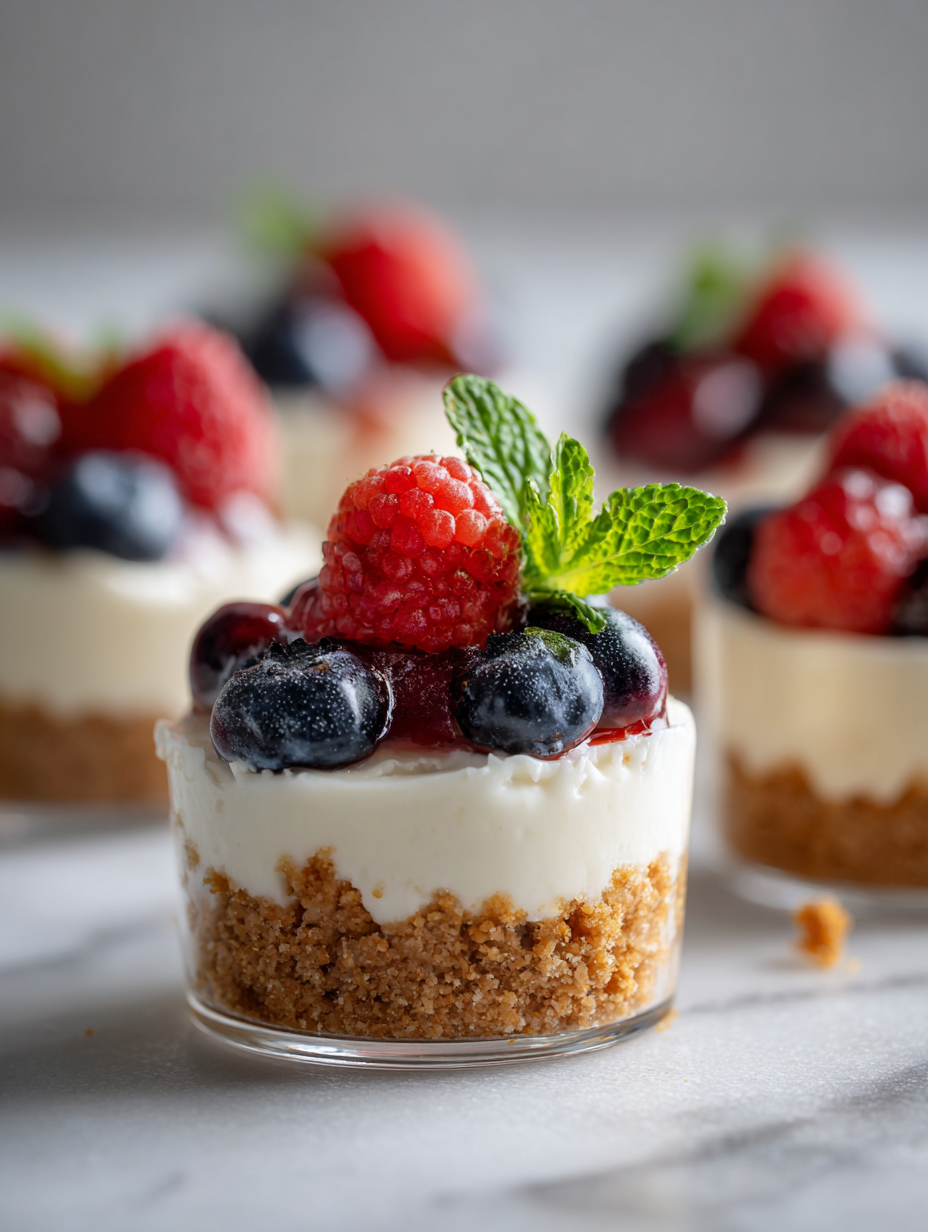
Sometimes, dessert should be simple enough to whip up after a busy day, yet still feel special. These no bake cheesecake cups fit that bill perfectly. No need for oven time, just quick assembly and chill, which is a real relief when you’re craving something sweet but don’t want a mess.
What I love most is how flexible this recipe is—play around with flavors, toppings, or even the crusts. It’s a no-fuss way to impress friends or treat yourself without the usual baking chaos. Plus, they’re portable, so you can sneak a cheesecake wherever you go.
Focusing on the ease and minimal mess of these individual cheesecake cups makes this dessert accessible even for beginner bakers or busy weeknights when you want a sweet treat without the fuss.
A No-Fuss Cheesecake Fix
- I used to think no-bake meant sacrificing flavor, but these cups proved me wrong—rich, creamy, and perfectly chilled.
- There’s a quiet joy in assembling these—they come together quickly, but the taste feels indulgent enough for celebrations.
- Watching these set in the fridge is oddly satisfying; it’s a reminder that sometimes patience really does pay off.
- Sometimes, I crave a dessert that’s easy to share without the fuss—these cups are just that, portable and neat.
- There’s a nostalgic thrill in spooning that first bite—cool, sweet, with a tangy burst that makes me smile.
The story behind this recipe
- This recipe was born out of a lazy summer afternoon when I had friends dropping by unannounced. I wanted something sweet, cool, and impressive without turning on the oven or making a mess. The idea of individual cups just clicked—easy to serve, easy to customize, and perfect for sharing.
- I remember the first time I whipped up a batch—smelling that sweet graham cracker crust mingling with creamy cheese was oddly satisfying. It’s become my go-to for last-minute gatherings or when I just need a quick treat that looks like I fussed a lot more than I really did.
- heading
- story_type
Trivia and History
- This recipe likely originated in the mid-20th century when convenience desserts gained popularity in American kitchens.
- The concept of no-bake cheesecakes became a hit in the 1980s, aligning with the rise of easy, quick desserts for busy households.
- Miniature dessert cups like these were originally designed for elegant parties, offering individual portions that felt fancy but were simple to prepare.
Ingredient breakdown: key components
- Cream cheese: I like it soft and spreadable—makes mixing smoother, and the cheesecake extra creamy—try to soften it at room temp before mixing.
- Graham cracker crumbs: I prefer fine crumbs for a smooth crust, but a slightly coarser texture adds nice crunch—consider pulsing a few extra seconds in the food processor.
- Sugar: Regular granulated works best—it balances the tang of cream cheese; too much can make it overly sweet, so measure carefully.
- Lemon juice: Brightens the flavor and cuts through richness—use fresh for that zing, but bottled works in a pinch if you’re out.
- Whipped topping: Adds airy lightness—if you want a richer texture, swap with mascarpone, but be prepared for a denser bite.
- Vanilla extract: Just a splash enhances everything—go for pure vanilla for the best aroma, but almond extract can add a surprising twist.
- Individual cups: Clear plastic or glass—see that pretty layer of cheesecake, and make sure they’re sturdy enough to hold the filling without tipping.
Spotlight on key ingredients
Cream cheese:
- I like it soft and spreadable—makes mixing smoother, and the cheesecake extra creamy—try to soften it at room temp before mixing.
- Graham cracker crumbs: I prefer fine crumbs for a smooth crust, but a slightly coarser texture adds nice crunch—consider pulsing a few extra seconds in the food processor.
- Lemon juice: Brightens the flavor and cuts through richness—use fresh for that zing, but bottled works in a pinch if you’re out.
Graham cracker crumbs:
- I prefer fine crumbs for a smooth crust, but a slightly coarser texture adds nice crunch—consider pulsing a few extra seconds in the food processor.
- Lemon juice: Brightens the flavor and cuts through richness—use fresh for that zing, but bottled works in a pinch if you’re out.
Notes for ingredient swaps
- Dairy-Free: Swap cream cheese for coconut cream or cashew-based cheese. Expect a slightly different tang and creaminess, but still rich.
- Sugar Alternatives: Use honey, maple syrup, or agave syrup instead of granulated sugar. Keep in mind these may alter the sweetness and texture slightly.
- Crust Base: Replace graham cracker crumbs with digestive biscuits or almond meal for different flavor profiles—nutty, buttery, or more wholesome.
- Whipped Topping: Use mascarpone or Greek yogurt for a denser, tangier texture. Adds richness, but may need extra sweetness.
- Lemon Juice: Substitute with lime juice or omit entirely for a less zesty flavor—adjust sweetness if needed.
- Sweeteners: Consider stevia or erythritol for low-sugar options—taste and texture may vary, so start with small amounts.
- Serving Cups: Use glass jars or silicone molds instead of plastic cups—different presentation, same easy assembly.
Equipment & Tools
- Small mixing bowl: To mix the crust ingredients and prepare the filling.
- Spatula or hand mixer: To blend the cream cheese smoothly and fold in whipped topping.
- Food processor or plastic bag with rolling pin: To crush graham crackers into fine crumbs.
- Small cups or jars: For assembling and serving individual cheesecake portions.
- Measuring spoons and cups: To measure ingredients accurately.
- Refrigerator: To chill and set the cheesecakes.
Step-by-step to perfect cups
- Gather all ingredients and tools. Set out your cream cheese, graham cracker crumbs, sugar, lemon juice, whipped topping, vanilla, and 4 small cups or jars. Have a mixing bowl, spoon, and a small food processor or plastic bag for the crust ready.
- Make the crust: In a small bowl, combine 1 cup of graham cracker crumbs with 2 tablespoons of sugar. Melt 2 tablespoons of butter and mix into the crumbs until evenly coated. Press about 2 tablespoons of this mixture into the bottom of each cup, creating a firm, even layer. Chill briefly while preparing filling.
- Prepare the filling: In a large bowl, soften 8 oz of cream cheese at room temperature for about 15 minutes. Using a spatula or hand mixer on low, beat the cream cheese until smooth and creamy, about 2 minutes. Add 1/4 cup of sugar and 1 teaspoon of vanilla extract; mix until well combined.
- Incorporate brightness: Add 1 tablespoon of lemon juice to the cream cheese mixture, folding in gently. This gives the cheesecake a lively zing that balances the richness. If the mixture feels too thick, add a tiny splash of milk or cream to loosen it slightly.
- Fold in the whipped topping: Gently fold in 1/2 cup of whipped topping until just combined. Be careful not to overmix, to keep the filling airy and light. It should be fluffy and smooth, with no streaks of whipped topping visible.
- Assemble the cups: Spoon or pipe the cream cheese filling over the chilled crusts, dividing evenly. Smooth the tops with the back of a spoon or small spatula. Cover each cup loosely with plastic wrap to prevent a skin from forming.
- Chill to set: Refrigerate the assembled cheesecake cups for at least 2 hours, or until firm. During this time, the flavors meld, and the filling firms up. You’ll know they’re ready when they’re no longer jiggly and feel slightly firm when gently pressed.
- Finish and serve: Before serving, garnish with fresh fruit, a sprinkle of graham cracker crumbs, or a drizzle of chocolate if desired. Serve chilled for a refreshing, creamy bite that’s perfectly balanced.
- Check for doneness: The filling should be firm but smooth, with a slight jiggle in the center. The crust should be crisp and hold its shape when scooped. The edges should be clean and the tops slightly glossy.
Chill the assembled cups for at least 2 hours. Before serving, add optional toppings like fresh berries or a dusting of cocoa powder. Serve cold, straight from the fridge for optimal texture and flavor.
How to Know It’s Done
- Filling is firm and no longer jiggles when gently pressed.
- Crust is crisp and holds shape without crumbling.
- Top is smooth, glossy, and free of cracks or bubbles.
No-Bake Cheesecake Cups
Ingredients
Equipment
Method
- Combine the graham cracker crumbs and sugar in a small bowl. Pour in the melted butter and mix until the crumbs are evenly coated and resemble wet sand.
- Press about two tablespoons of the crumb mixture into the bottom of each small cup or jar, creating a compact crust layer. Chill briefly in the fridge while preparing the filling.
- In a large bowl, beat the softened cream cheese with a spatula or hand mixer until smooth and creamy, about 2 minutes. Add the sugar and vanilla, and mix until well combined, filling the air with a gentle, creamy aroma.
- Stir in the lemon juice, folding gently to incorporate. This adds a bright, zesty flavor that balances the richness of the cream cheese.
- Carefully fold in the whipped topping until the mixture is light and fluffy, with no streaks remaining. This keeps the filling airy and smooth.
- Spoon or pipe the creamy filling over the chilled crusts, dividing evenly. Smooth the tops with the back of a spoon or small spatula. Cover loosely and refrigerate for at least 2 hours until set.
- Once chilled and set, garnish with fresh fruit, graham cracker crumbs, or a drizzle of chocolate if desired. Serve cold for a luscious, creamy treat.
Pro tips for perfect cheesecake cups
- Chill your cream cheese well—cold cheese whips more smoothly, avoiding lumps and ensuring a silky filling.
- Use a gentle folding technique when incorporating whipped topping—this keeps the filling airy and light, not dense or deflated.
- Press the crust firmly into the cups—use the bottom of a glass or spoon to get an even, compact layer that won’t crumble later.
- Slightly warm your lemon juice before adding—this enhances the bright, zesty aroma and better integrates into the filling.
- Chill the assembled cups uncovered—this prevents condensation and keeps the tops smooth and glossy.
- Gently jiggle the cups after chilling—this helps check if the filling has set properly; it should feel firm but give slightly.
- For cleaner edges, run a small knife around the edge before serving—makes presentation look neat and professional.
Common mistakes and how to fix them
- FORGOT to fully chill cups → Chill at least 2 hours for proper set.
- DUMPED filling too quickly → Pour slowly to prevent air bubbles and cracks.
- OVER-TORCHED crust → Bake at 180°C (350°F) until golden, then cool before filling.
- MISSED mixing cream cheese smoothly → Soften at room temp, then beat until creamy.
Quick Fixes and Pantry Swaps
- When filling is runny → Chill for 30 minutes to thicken and set.
- If crust crumbles → Press firmly and refrigerate before filling to help firm it up.
- Splash melted chocolate on top → Quickly cool in fridge for a glossy, crack-free finish.
- Dumped too much whipped topping → Fold in small batches to maintain fluffiness.
- Patch cracks with a dab of extra filling or smooth with a tiny spatula, shimmer of glaze hides flaws.
Prep, store, and reheat tips
- Prepare the crust and filling a day ahead; keep chilled in airtight containers for fresh flavors and firm texture.
- Cover the assembled cups tightly with plastic wrap; refrigerate for up to 48 hours, maintaining their creamy consistency.
- The flavors meld and deepen overnight, making the cheesecake more flavorful the next day—just give them a gentle stir if needed.
- Reheat slightly by letting a cup sit at room temperature for 10 minutes before serving; the filling will soften and become more luscious.
- For best sensory experience, serve within 2 days; after that, the texture may start to degrade and the crust might soften.
Top questions about no bake cheesecake cups
1. Should I soften the cream cheese first?
Use softened cream cheese for a smooth, creamy filling without lumps. Cold cheese whips better when softened first.
2. How long do I need to chill the cheesecake cups?
Chill the assembled cups for at least 2 hours until the filling is firm and slightly jiggles in the center.
3. Can I substitute the graham cracker crust?
Graham cracker crumbs give a buttery, crunchy base with a sweet, nutty aroma. Swap with digestive biscuits for a milder flavor.
4. What does the lemon juice add?
Add lemon juice for a bright, tangy flavor that balances the richness. Fresh lemon juice offers a more vibrant, zesty aroma.
5. How do I keep the filling fluffy?
Gently fold whipped topping into the cream cheese mixture to keep the filling airy and light, avoiding deflation.
6. What if my filling is too runny?
If the filling seems runny, refrigerate the cups for 30 minutes to thicken before serving.
7. What kind of cups should I use?
Use clear cups or jars to showcase the layered look, and press the crust firmly for a sturdy base.
8. Can I make this dairy-free?
For dairy-free options, try coconut cream or cashew cheese. Expect a slightly different flavor and creaminess.
9. Can I make this ahead?
Prepare the crust mixture ahead, store in the fridge, and assemble just before chilling to save time.
10. How do I fix surface cracks?
If cracks form on the surface, smooth with a tiny spatula and add toppings to hide imperfections.
These no bake cheesecake cups are a reminder that simple, honest desserts can be just as satisfying as elaborate ones. They’re perfect for spontaneous gatherings or when you need a quick, creamy treat that feels special without any fuss.
Having these in the fridge means you always have a cool, sweet escape ready to go—no oven required, just good ingredients and a bit of patience. It’s a small pleasure that never fails to brighten a busy day or quiet evening.

Hi, I’m Grace Morgan, and welcome to my kitchen. This is a space shaped by family meals, curious hands reaching for snacks, paws under the table, and recipes that come together in the middle of real life. I’m a food blogger, a mother, and a passionate pet keeper. Most days, I’m cooking with one eye on the stove and the other on someone who needs me, whether that’s a child asking for a taste or a dog hoping something might fall.


